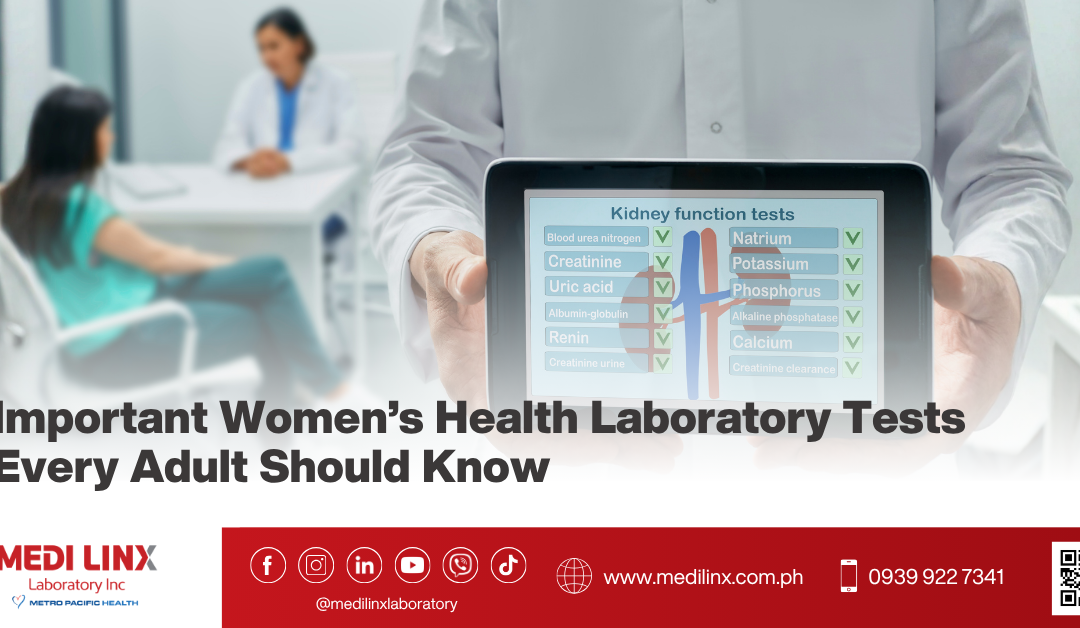

Early kidney screening helps uncover potential kidney issues at an early stage, i.e., before the patient’s symptoms worsen. As kidney dysfunction is often silent, these patients usually learn about their condition during a lab test or medical check-up.
Thanks to early screening, clinicians can detect atypical changes at an earlier stage and provide appropriate treatment recommendations. Preventive testing acts as one of the means to reduce the risk of complications related to chronic kidney disease, cardiovascular disease, hypertension, and diabetes.
How do the Kidneys Support Overall Body Function?
The kidneys act as filters, removing waste products, excess fluid, and toxins from the blood at all times. Besides this, they really help control blood pressure, maintain blood electrolyte levels, and support the production of healthy red blood cells.
If the kidneys start to function at a lower capacity, these changes may be reflected not only in the kidneys but also in other organs and systems of the body. In fact, deterioration of kidney health might mean a greater chance of heart disease, fluid accumulation, anemia, and problems related to metabolism.
Why Does Kidney Disease May Remain Undetected for a Long Time?
In most cases, patients who develop kidney disease do not have easily observable signs or symptoms, especially during the early stages. That’s why regular laboratory tests become an excellent method for most people to identify kidney-related problems at an early stage.
Since the disease progresses without any symptoms, preventive healthcare becomes very crucial, mainly for people who are at a higher risk due to chronic health conditions or unhealthy lifestyle choices.
Major Risk Factors That Increase Kidney Disease Risk
There are a number of lifestyle and medical factors that can cause a drop in kidney function over time. Finding out about these risks beforehand gives healthcare professionals a chance to recommend preventive measures and monitor the situation regularly.
Regular checks with laboratory tests help doctors detect abnormalities, signs of inflammation, and early warning signs of kidney strain before the situation gets worse.
Diabetes and Chronic Kidney Disease
Diabetes still ranks among the top causes of kidney disease worldwide. High blood sugar levels can slowly damage the small blood vessels the kidneys use to filter blood.
Systematic kidney check-ups enable medical staff to better control diabetic patients. Starting therapy soon may slow the deterioration of health and enhance quality of life in the longer term.
Tests to Keep Tabs on Kidneys in Diabetes
Doctors usually perform a couple of tests to assess how healthy one’s kidneys are. These include measuring blood creatinine levels, determining the estimated glomerular filtration rate (eGFR), testing urine for protein, and analyzing blood sugar levels.
All those tests yield valuable clinical data that help formulate personalized therapeutic strategies and support disease prevention and management.
Hypertension and Kidney Function Decline
Uncontrolled hypertension could damage small blood vessels in the kidney, gradually reducing their ability to filter waste, which leads to an increase in chronic illnesses.
Also, renal dysfunction is capable of enhancing systemic hypertension so that a vicious cycle compromising both heart and renal functions is established. Here, laboratory screening for prevention serves as an excellent tool for a more effective monitoring of these changes by the clinicians.
Reasons for Routine Screening of Blood Pressure Patients
Regular laboratory testing, first and foremost for assessing renal function, can be very useful for patients with high blood pressure. Besides, routine lab tests can point out the onset of complications.
Recognizing a problem early on is key to properly tailoring medication, formulating preventive strategies, and effectively managing overall cardiovascular risk.
Obesity and Sedentary Lifestyle Risks
Obesity and lack of physical activity are leading factors in the global rise of chronic diseases. Besides diabetes and hypertension, carrying excess weight also raises the risk for inflammatory conditions and impaired kidney function.
Prevention and wellness screening are highly effective ways to detect metabolic disturbances, which often result from adverse lifestyle choices. With the right interventions, a healthier, permanent prognosis is achievable.
Relationship Between Lifestyle Choices and Kidney Health
An inappropriate diet, insufficient physical activity, inadequate water intake, and permanent sitting may cumulatively lead to impairment of kidney function and overall metabolic function.
Clinical laboratory tests provide a measurable basis for healthcare professionals when counseling patients on lifestyle changes.
Smoking and Kidney Damage
Smoking reduces blood circulation throughout the body, including the kidneys. Besides, continuous smoking can worsen kidney function, and at the same time, it can also raise the risk of heart disease.
Healthcare providers use routine laboratory tests to detect signs of kidney damage in smokers and other high-risk individuals as early as possible.
Why Smokers Benefit From Preventive Screening?
With early diagnostic monitoring, healthcare professionals can catch minor kidney issues before they become serious problems.
When you combine preventive healthcare measures with teaching patients and having regular laboratory tests, they are sure to be more effective.
Essential Laboratory Tests for Early Kidney Screening
Lab tests are still among the mainstay of kidney preventive care. Different tests give us useful information about kidney filtration, metabolic balance, inflammation, and the presence of abnormalities in the urine.
Doctors count on exact lab results to make decisions about diagnosing, monitoring, and treating patients.
Serum Creatinine Test for Kidney Function
Serum creatinine testing indicates the kidney’s filtering efficiency in clearing waste from the blood. High blood creatinine levels may indicate kidney dysfunction.
This is usually one of the first tests the doctors use to identify kidney problems and to track chronic kidney disease in patients.
Clinical Importance of Creatinine Testing
Creatinine levels are one of the tools doctors use to estimate how well the kidneys are filtering the blood and how the disease is changing over time.
This test is most useful for people with diabetes, high blood pressure, obesity, and heart disease.
Estimated Glomerular Filtration Rate (eGFR)
The estimated glomerular filtration rate defines the degree of blood purification by the kidneys. It is one of the crucial parameters for detecting the stage of illness and determining overall kidney function.
If the eGFR is dropping, it could mean that the kidneys are gradually becoming less efficient.
Why eGFR Monitoring Matters?
Regularly monitoring eGFR helps catch the disease early and gives doctors a chance to help patients before damage becomes irreversible.
Beyond that, regular monitoring can inform medication choices and help manage long-term health problems.
Blood Urea Nitrogen (BUN) Testing
The blood urea nitrogen test measures the amount of nitrogen in the blood as a waste product. Increases in BUN levels usually indicate kidney problems or a metabolic imbalance.
In fact, medical professionals analyze BUN alongside creatinine to obtain the most comprehensive picture of the patient’s health.
Conditions Tied to Abnormal BUN Levels
High BUN could result from dehydration, kidney disorders, cardiac problems, or high body protein breakdown.
Besides, the evaluation of results in the lab depends heavily on patient history and current clinical condition.
Electrolyte Panel and Metabolic Balance
Kidneys regulate sodium, potassium, chloride, and other electrolytes. If a problem with the kidneys occurs, the normal balance may be disrupted, leading to major changes in the body.
Electrolyte testing is a great way to monitor changes in a person’s health and to track the progression of chronic conditions.
Reasons Why Electrolyte Testing Is Necessary
Irregularities in electrolyte levels can affect heart rhythm, nerve activity, muscle function, and blood pressure control.
Regular testing is not only a good safety practice but also helps doctors make more accurate decisions.
Albumin-to-Creatinine Ratio Testing
The albumin-to-creatinine ratio identifies protein in urine, which can reflect early kidney damage.
This test is found to be very useful in diabetic patients, in patients having hypertension, and in patients with other cardiovascular diseases.
Why Protein Leakage Should Never Be Ignored?
Persistent albuminuria may be a marker of chronic kidney disease or a sign of continued renal inflammation.
Early diagnosis enables physicians to properly advise patients about the necessity for prompt treatment and ongoing surveillance.
Urinalysis as a Preventive Diagnostic Tool
A standard urinalysis remains by far the most useful and readily available laboratory screening test today.
This test helps detect abnormalities in urine, such as infections, bleeding, changes in glucose levels, and kidney problems.
Clinical Significance of Urinalysis
Providers use urinalysis as part of preventive care, chronic disease monitoring, and wellness screening programs.
When looking for a urinalysis test near me, patients need a dependable lab to support them with a diagnosis.
The Role of Send Out Laboratory Services in Modern Healthcare
Many clinics and healthcare facilities partner with send out lab to access advanced testing services and specialized diagnostic support.
These partnerships help healthcare providers expand testing capabilities without maintaining expensive in-house systems.
Why Healthcare Providers Need Reliable Laboratory Partners?
Accurate laboratory data directly affects diagnosis, treatment planning, and patient management.
Reliable laboratory support improves turnaround times, operational efficiency, and clinician confidence.
Benefits of Send Out Laboratory Services
Sending out laboratory partnerships helps healthcare providers access advanced instrumentation, expanded test menus, and specialized expertise.
These services support preventive healthcare initiatives and improve overall patient care quality.
FAQs
Why is early kidney screening important?
Early kidney screening helps identify kidney problems before symptoms become severe. Early diagnosis supports better treatment, improved disease management, and reduced long-term complications.
Who should undergo kidney screening?
Individuals with diabetes, hypertension, obesity, smoking habits, sedentary lifestyles, cardiovascular disease, or a family history of kidney disorders may benefit from routine laboratory testing.
What tests are commonly included in kidney screening?
Common kidney screening tests include serum creatinine, eGFR, urine protein analysis, electrolyte panels, blood urea nitrogen testing, and urine-based laboratory assessments.
Strengthen Preventive Healthcare With Reliable Diagnostic Support
Kidney disease often develops silently, making preventive laboratory screening one of the most important tools in early disease detection and chronic disease management.
Medi Linx provides dependable laboratory support and advanced diagnostic solutions designed for clinics, hospitals, occupational health providers, and healthcare institutions. Partner with Medi Linx today to strengthen your preventive healthcare programs and access reliable send out laboratory services that support quality patient care.