Understanding Transfusion Transmissible Infection (TTI)
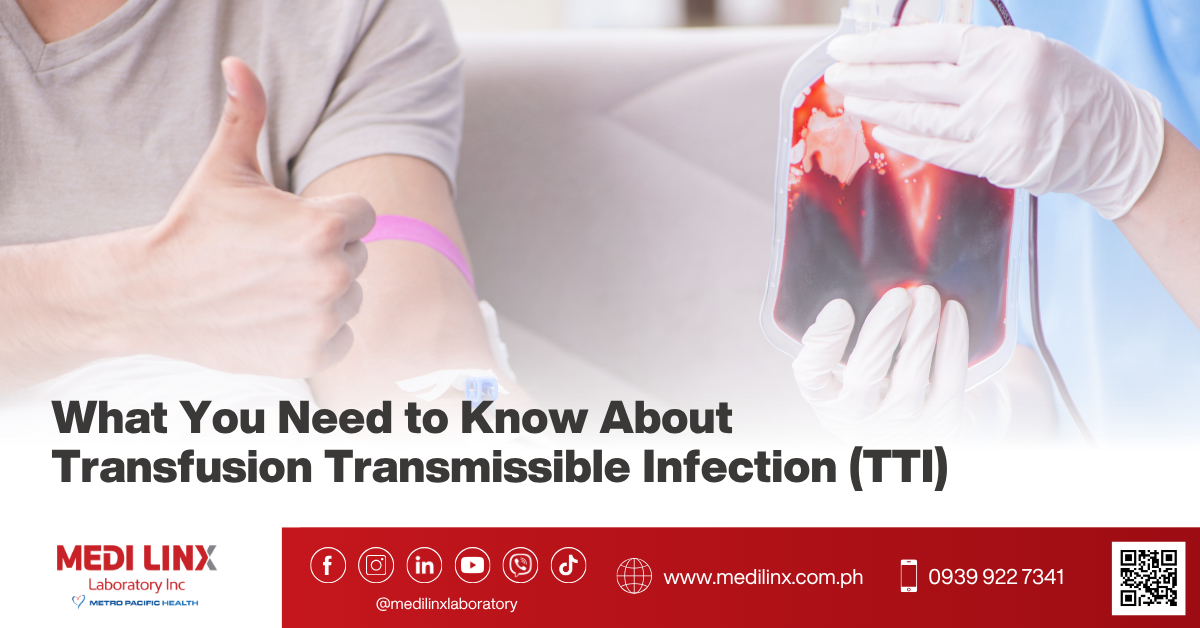
Transfusion Transmissible Infections (TTIs) are infectious diseases that can be transmitted from an infected donor to a recipient through blood transfusion. Ensuring the safety of donated blood is a critical component of transfusion medicine and public health.
Comprehensive laboratory screening helps identify potentially infectious donations before blood products are released for patient use.
TTI screening serves as a vital safeguard, protecting recipients from infections that may otherwise remain undetected during the donor’s healthy-looking phase. Through advanced laboratory testing and strict quality control measures, blood banks can significantly reduce the risk of disease transmission and maintain a safe blood supply.
Who Needs TTI Screening the Most?
TTI screening is essential for:
- All blood donors before blood collection and transfusion.
- Voluntary and replacement donors donating whole blood, platelets, plasma, or other blood components.
- Organ, tissue, and stem cell donors where infection transmission must be prevented.
- Patients requiring frequent transfusions, such as those with thalassemia, hemophilia, aplastic anemia, and oncology patients.
- Healthcare facilities and blood centers responsible for maintaining transfusion safety standards.
What is the Primary Aim of TTI Screening?
The primary aim of TTI screening is to:
- Protect blood recipients from acquiring infectious diseases through transfusion.
- Ensure the safety and quality of the blood supply.
- Detect infections at the earliest possible stage using sensitive laboratory methods.
- Support public health efforts by preventing the transmission of blood-borne pathogens.
- Maintain compliance with national and international blood safety standards.
TTI screening serves as the first and most important laboratory barrier against transfusion-related infections.
What Are the Infections Usually Checked for in TTI Screening?
Blood donor screening routinely includes testing for major infectious diseases known to be transmissible through blood transfusion.
Hepatitis B Surface Antigen (HBsAg)
HBsAg is the earliest detectable marker of Hepatitis B Virus (HBV) infection and may appear weeks before symptoms develop. The presence of HBsAg indicates active HBV infection and potential infectivity. Screening for HBsAg is a critical step in preventing Hepatitis B transmission through donated blood.
Why It Matters
- Detects current HBV infection.
- Helps identify both acute and chronic HBV carriers.
- Protects recipients from liver disease, cirrhosis, and hepatocellular carcinoma associated with HBV infection.
Hepatitis B Surface Antibody (Anti-HBs)
Anti-HBs is an antibody produced following recovery from Hepatitis B infection or after successful Hepatitis B vaccination. Measurement of Anti-HBs helps evaluate immunity and vaccination response. A result of ≥10 IU/L is generally considered protective against HBV infection.
Why It Matters
- Assesses immunity to Hepatitis B.
- Evaluates vaccine effectiveness.
- Helps determine the need for booster vaccination in certain populations.
Hepatitis C Virus Antibody (Anti-HCV)
Anti-HCV testing detects antibodies produced in response to Hepatitis C Virus infection. HCV is a major cause of chronic liver disease worldwide and often presents without symptoms. Screening helps identify potentially infectious donations and reduces the risk of transfusion-transmitted Hepatitis C.
Why It Matters
- Identifies past or current exposure to HCV.
- Supports early detection and follow-up testing.
- Prevents transmission through blood and blood products.
Human Immunodeficiency Virus (HIV)
Human Immunodeficiency Virus (HIV) is a blood-borne virus that attacks the body’s immune system, specifically the CD4 cells responsible for fighting infections.
Without treatment, HIV can weaken the immune system and may progress to Acquired Immunodeficiency Syndrome (AIDS).
Because HIV infection may remain asymptomatic for years, infected donors can appear healthy while carrying the virus. HIV screening is therefore a mandatory component of blood donor testing and a critical safeguard against transfusion-transmitted infection.
Why It Matters
- Detects HIV infection before donated blood is released for transfusion.
- Helps prevent transmission of HIV through blood and blood products.
- Protects vulnerable recipients, including immunocompromised and critically ill patients.
- Supports early identification and referral of potentially infected individuals.
- Maintains the safety and integrity of the blood supply.
What Does the Test Detect?
- HIV-1 and HIV-2 antibodies.
- HIV p24 antigen, an early marker of infection.
Malaria Screening
Malaria is a serious parasitic disease caused by Plasmodium species and transmitted primarily through the bite of infected Anopheles mosquitoes. Malaria can also be transmitted through blood transfusion when infected blood is donated by an individual who may not show symptoms. This makes malaria screening an important component of blood donor testing, particularly in endemic regions.
Malaria screening detects antigens associated with:
- Plasmodium falciparum, the species most commonly associated with severe malaria.
- Other major Plasmodium species, including P. vivax, P. malariae, and P. ovale.
Why It Matters
- Detects potentially infectious donors who may be asymptomatic carriers.
- Helps prevent transfusion-transmitted malaria and its associated complications.
- Protects vulnerable recipients, including pediatric and immunocompromised patients.
- Supports a safer and more reliable blood supply.
- Provides rapid detection of clinically significant malaria infections.
Modern screening assays can detect HIV infection earlier, reducing the diagnostic window period and further enhancing blood transfusion safety.
FAQs
What is the primary aim of TTI screening?
The main function of TTI screening is to ensure that donated blood is free of infectious diseases before transfusion, thereby safeguarding patients.
What are the infections usually checked for in TTI screening?
Major TTIs are HIV, Hepatitis B, Hepatitis C, syphilis, and, in some cases, according to the risk of the area, malaria is also included.
What makes laboratory precision essential in TTI testing?
Only precision in testing can cause the identification and isolation of the infected blood, which is the main reason for the elimination of the possibility of infection through a transfusion of blood.
Ensure Better Healthcare Safety by Medi Linx
The first step in a safe blood transfusion is an accurate and reliable laboratory test. Medi Linx offers reliable send out lab services that are tailored to healthcare institutions’ needs for precise diagnostics, quick turnaround times, and audit-quality testing systems. Contact us now and enhance your laboratory facilities, and at the same time, provide safer patient results.