Understanding Essential Laboratory Tests for Women
Early detection can save lives, catching health problems before they present with obvious symptoms. Kidney health is definitely an area that should be given some special attention. Because most kidney disorders develop silently, lab tests play a role by revealing changes in the body when there is still time to manage risk and safeguard kidney function.
Women’s preventive care should extend well beyond reproductive health. Through different laboratory testing, you will get regular information on kidney health, heart risk, autoimmune disorders, and many more things. These are key tests you should discuss with your doctor, considering your age, medical history, and other risk factors.
Major Laboratory Tests and Examinations You May Discuss With Your Doctor
One of the great joys of preventive medicine is tailoring testing rather than treating it as a single list of checkmarks to be done on everyone.
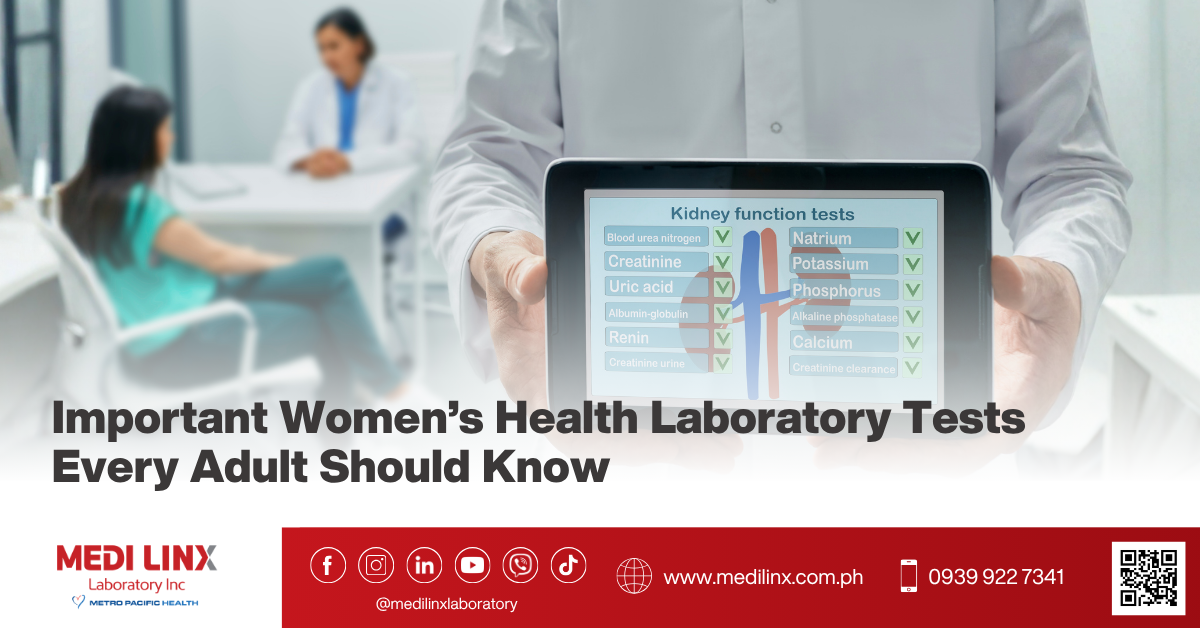
- Kidney Function Tests: Creatinine and eGFR levels are measured to evaluate how effectively your kidneys filter waste from the bloodstream.
- Protein in Urine Test (Microalbuminuria): This test detects small amounts of protein in the urine to catch early signs of kidney damage.
- Blood Sugar Level Test (Fasting): One of the major tests used to identify the presence of insulin resistance, prediabetes and diabetes.
- Lipid Profile Panel Tests (cholesterol, etc.): An insight and assessment of your overall risk for cardiovascular conditions through this test.
- Anti-Nuclear Antibody (ANA): One of the ways doctors use to explore different autoimmune diseases that could be affecting their patients.
- Cervical Cancer Screen: It involves a Pap smear and HPV test for early detection of abnormal changes in cervical cells.
People Who Should Go for Kidney Screening
People should consider kidney screening are:
- Those with diabetes
- Individuals with high blood pressure
- Those with heart disease
- People with a family history of kidney disease
- Those with known kidney disease risk factors
Ways in Health Professionals Can Help Early Detection
Clinics, hospitals, diagnostic centers, and doctors are among those responsible for making preventive testing easily accessible. They can be helped through reliable laboratory testing and accurate report generation, enabling them to spot unusual test results and assess when to refer patients for further testing or evaluation.
Facilities can use send-out laboratory services and other specialized services to get more testing done without having to do everything in-house.
FAQs
Which blood examinations can evaluate kidney function?
Estimation of kidney function is usually done through a blood creatinine test, which is used to calculate your estimated glomerular filtration rate (eGFR), one of the most important ways of describing how well your kidneys are working.
What type of urine test helps detect early kidney damage?
A simple urine sample showing elevated levels of albumin compared to creatinine (or UACR) can signal that you might be suffering from kidney disease before it gets severe.
At what age should women get a kidney test?
Women with pre-existing risk factors, such as hypertension, diabetes, cardiovascular disease, or a family history of renal disease, should consult their physician about establishing a regular kidney screening schedule.
Take Preventive Tests for Better Health
Women’s health screening should look beyond treating problems after they appear. Monitoring kidney function, detecting autoimmune diseases, assessing cardiovascular risks, and even maintaining reproductive health must be properly and promptly addressed according to an individual risk profile. For medical centers, laboratories, hospitals, and all other healthcare professionals, Medi Linx Send Out Laboratory Services can offer support to patients in reaching specialized laboratory tests. Be a Medi Linx partner and boost your lab capabilities and patient service levels.