Why Early Detection of Blood Disorders Relies on Simple Laboratory Tests
Blood disorders can sometimes develop without noticeable symptoms, particularly in their early stages. In some cases, changes in the blood may only be detected through laboratory testing before symptoms become apparent, highlighting the importance of appropriate medical evaluation and timely diagnosis.
Laboratory testing can sometimes identify abnormalities before symptoms become apparent, allowing healthcare providers to investigate potential health conditions earlier. However, not all blood disorders can be detected through routine laboratory screening, and further evaluation or specialized testing may be necessary depending on the patient’s symptoms, medical history, and initial test results.
Early detection can give healthcare providers an opportunity to diagnose conditions sooner, initiate appropriate treatment, monitor disease progression, and potentially improve patient outcomes. While early diagnosis may improve the chances of successful treatment for some serious conditions, it does not guarantee that complications or death can always be prevented.
Understanding Blood Disorders
Blood disorders are various medical conditions that affect different components of the blood.
Certain diseases primarily affect red blood cells, which transport oxygen to different parts of the body, while others mainly affect white blood cells, which provide immunity and fight off infections. Some platelet disorders may cause bleeding due to impaired blood clotting, whereas plasma protein disorders can affect blood flow and immunity.
Anemia
This is a disorder characterized by insufficient red blood cells or hemoglobin in the blood. Its major symptoms include tiredness, lack of energy, and difficulty breathing.
Leukemia
This is a blood cancer affecting the white cells. It appears that the bone marrow produces immature leukocytes in excess.
Lymphoma
This is a cancer of the lymphatic system that affects immune cells, resulting in enlarged lymph nodes, fever, and weight loss.
Hemophilia
This is a hereditary disorder resulting in blood that doesn’t coagulate adequately, leading to excessive bleeding even from minor wounds.
Why Early Detection Matters in Blood Health?
Blood is important to maintain life for its invaluable functions transporting oxygen, infection fighting and many more organs development. If anything goes wrong in blood system abnormalities may be found in the whole body.
As stated by the World Health Organization (WHO), early diagnosis of a chronic disease including hematology is essential for a good outcome and to preventing enduring problems.
Yet, all this information explained why waiting to manifestations is not sufficient. Often, patients wait until the symptoms become intolerable before consulting a physician. Laboratory screening can detect the syndrome earlier than physical changes are detected.
The Role of Simple Laboratory Tests
Laboratory exams allow clinicians to assess blood cell counts, cell appearance, clotting ability, and biochemical markers that may be associated with illness.
Tests are relatively low-cost, simple to perform, readily available, and can be conducted with minimal invasion.
Complete Blood Count
The CBC is frequently the initial test used to assess blood health. Abnormal results may suggest anemia, infection, inflammation, blood cancers, or other hematological illnesses.
Because the CBC can identify a wide range of diagnoses, it is one of the most frequently requested laboratory tests worldwide.
Peripheral Blood Smear
A peripheral blood smear, one of the laboratory tests, allows us to study blood cells under a microscope. This test gives detailed information about:
- Cell size
- Cell shape
- Cell maturity
- Irregular cells present
There are abnormalities that may be missed when a blood analyzer is used; the only way to see these is to examine the sample on a microscope.
Iron Studies
It is still a common cause of anemia worldwide.
Iron studies aid to confirm that the patient has sufficient iron stores and help in identifying the causation of low Hb.
Tests may typically include ferritin, serum iron, total iron binding capacity and transferrin saturation.
Reticulocyte Count
Certain blood disorders may hinder the formation of blood clots” under the Reticulocyte Count section Reticulocyte count evaluates red blood cell production, not blood clot formation. This sentence should be removed or transferred to the coagulation section.
This test elicits useful information about the production of red blood cells and the general condition of the bone marrow. Certain blood disorders may hinder the formation of blood clots within the body.
Coagulation Testing
Coagulation tests assess blood clotting pathways, helping to diagnose bleeding abnormality or thrombosis.
- Prothrombin Time (PT): It is a blood test that assesses the clotting activity of a blood sample via the extrinsic pathway. Is used to assess bleeding tendencies and liver function.
- Activated Partial Thromboplastin Time (aPTT): It assesses the speed of clotting through the intrinsic pathway. It is used to identify clotting factor deficiencies and to monitor heparin therapy.
- International Normalized Ratio (INR):A standardized value derived from the PT results. It is Mainly used to monitor patients on anticoagulant therapy such as warfarin.
They are often used in screening healthy populations as well as in follow-up of disease.
When Advanced Testing Becomes Necessary?
Additional testing can be helpful to rule out confounding comorbidities when routine screening results are inconclusive.
For instance, blood problems related to autoimmune conditions can be tested using Anti-Nuclear Antibody (ANA) tests.
This test is used to detect signs of autoimmune activity, which can indirectly influence blood parameters and immune functioning by the American College of Rheumatology.
This is more appropriately discussed under cardiovascular risk assessment and lipid disorders, rather than as an advanced test for blood disorder.
Advanced tests complement simple screening and lead to more accurate and complete diagnosis.
Who Should Consider Regular Blood Screening
Blood tests should not be performed only on sick patients. Commonly they are used as a screening or preventive measure and can be routinely performed for many people, including:
- Adults particularly with risk factors
- People who have a blood disorder in their family.
- Those suffering from a chronic illness such as kidney disease or liver disease.
- Individuals suffering from persistent fatigue, bleeding and bruising or infections.
- Persons on long-term drug treatment
Early screening enables physicians to be certain not to overlook a condition until it’s almost too late.
Initial Symptoms That Shouldn’t Be Overlooked
Blood disorders generally start without giving any points, but some symptoms definitely require blood test without delay:
Chronic tiredness
Tired all the time, not relieved by sleep, ”like being tired all day or feeling tired all the time;something that is persistent compared to chronic;” It is commonly tied to anemia.
- Repeatedly catching illnesses
- Being often sick.
Unexplained bruising or bleeding
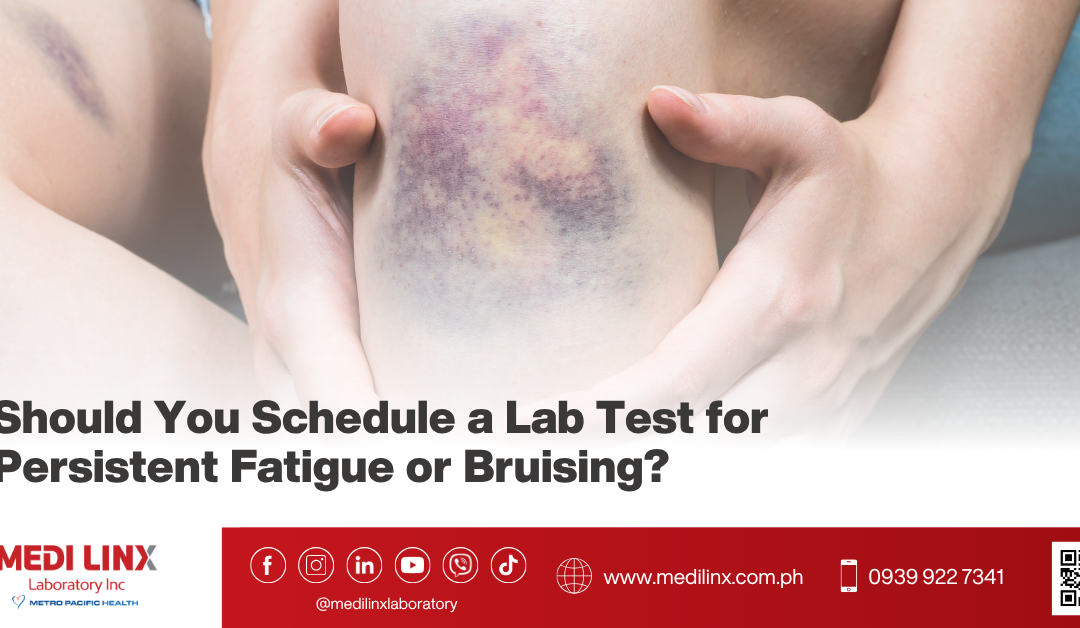
Unexplained bruising or bleeding, easy bruising or bleeding for a long period can be a sign of platelet clotting disorders.
Shortness of breath
Coughing and breathlessness can happen when the blood is not oxygenating sufficiently.
Pale or yellowish skin
Changes in skin color may reflect a reduction of hemoglobin or destruction of red blood cells.
Unsteadiness or weakness
So caused by inadequate oxygen delivery to the brain following blood abnormalities.
Swollen lymph nodes
If lymph nodes are enlarged, they may indicate an infection or inflammation or could be a sign of malignancy (blood-related).
Usually, these symptoms do not relate directly to one illness. Still they often reveal the necessity for additional laboratory tests.
Why Preventive Healthcare is a Must?Why Preventive Healthcare is a Must?
Healthcare nowadays is more and more about prevention rather than just curing.
The CDC emphasises that screening for prevention particularly cuts down the expenses of healthcare and in addition, it greatly enhances the quality of live of the patients through detection of the disease at the earlier stages (CDC Preventive Health Guidelines).
Laboratory tests are very important in this strategy as they give unbiased data which enables timely treatment.
Why Reliable Laboratory Services Matter?Why Reliable Laboratory Services Matter?
A reliable laboratory, specifically, Medi Linx, a reference laboratory Metro Manila, ensures the accuracy of diagnosis. Diagnosis is fundamentally dependent on laboratory quality and reliability:
- Accurate and consistent results
- Quick response times
- Ability to access specialized testing.
- Quality-control processes
- Trustworthy reporting systems
Delays in diagnosis and treatment may occur if laboratory back-up is unreliable.
FAQs
What is the most significant test to diagnose blood diseases?
The Complete Blood Count (CBC) is the most frequently used screening test because it checks several blood components at once.
Is it possible to diagnose blood disorders early without clinical features?
Yes. Several blood illnesses are diagnosed using routine lab tests before symptoms occur, leading to treatment before symptoms and an improved prognosis.
What is your frequency of performing blood examinations?
The frequency of screening may vary given a person’s age, risk factors, and medical history, But it is generally recommended that screening occur yearly for preventative care.
Strengthening Healthcare Through Medi Linx Services
Many blood disorders are asymptomatic and an early identification by way of a simple blood test contributes to an improved state of health. With standard screening practitioners are more able to easily detect abnormalities and administer treatment.
Healthcare facilities frequently require access to a wider platform of testing to accommodate increased diagnostic demands. For clinics, hospitals, diagnostic centers and other healthcare providers who prefer to outsource their laboratory needs, Medi Linx send out lab services is the premier choice in dependable services.
Contact Medi Linx Laboratory in Quezon City at 0939-9227341, and get a test done now!