Stay Healthy Through Preventive Screening
Take practical steps towards understanding your health through preventive screening. Regular monitoring can help identify potential health concerns at an early stage. Preventive screening makes it easier for you and your physician to detect any changes and determine when additional examinations are needed.
For women, laboratory tests may vary depending on individual health needs and the type of screening required. These may include tests related to blood sugar levels, cardiovascular system health, kidney health, thyroid gland, reproductive health, pregnancy, and other cancer-related issues.
Let’s find out together which laboratory tests and screenings can be included in preventive care for women.
Why Preventive Screening Matters for Women?
There are some health problems that cannot be detected by any sign or symptom. Even though you think you are healthy, there may be some processes in your body that do not show any signs. Pre-screens Preventive screening can provide useful information about your health status that you and your doctor can use to monitor your health and determine whether further evaluation is needed.
Start With a Basic Health Check
A basic health check is helpful in providing an overall picture of your health. Blood and urine tests can help determine the levels of the following in your blood: blood cells, blood sugar, kidney function, liver function, and cholesterol. Medi Linx provides routine and specialized laboratory testing services in various health testing categories.
Tests that may be done in the laboratory are:
- Complete Blood Count (CBC): a test used to evaluate the different types of blood cells. It can identify conditions like anemia and infections.
- Fasting Blood Sugar (FBS): A test used to determine the blood glucose level after fasting. FBS helps to know whether you have high glucose levels and possibly diabetes.
- Urinalysis: A test performed on a urine sample. It helps identify problems in the kidney or urinary system.
- Stool Examination: A test performed on a stool sample that may help identify parasitic diseases or other digestive issues.
- Creatinine: It is a waste product that is expelled by the kidney when filtering the blood. Testing creatinine helps determine kidney function.
- Blood Urea Nitrogen (BUN): This test measures a waste product in the blood. It helps give information regarding the state of the kidney.
- ALT (SGPT) and AST (SGOT): These are the names of two enzymes. Their analysis is used alongside other tests to know the state of the liver.
- Uric Acid: A test used to determine the uric acid level in the blood. High uric acid is associated with gout and other health conditions.
Heart and Blood Sugar Levels Check-Up
Cardiovascular health plays an essential role in any woman’s life. Various factors like high cholesterol levels, high blood sugar levels, smoking habits, genetics, and other factors may have an influence on your cardiovascular risk.
Significant tests might be:
- Total Cholesterol: A test of the total cholesterol content in your blood. This is one aspect of heart health assessment.
- HDL Cholesterol: HDL is known as the “good” cholesterol. It transports cholesterol from the bloodstream and is tested together with your other cholesterol tests.
- LDL Cholesterol: LDL is known as the “bad” cholesterol. High levels of this substance could cause plaque deposits in the arteries.
- Triglycerides: Triglycerides are fats found in your blood. High triglycerides may indicate an increased chance of developing cardiovascular and other diseases.
Medi Linx offers cholesterol and glucose testing services through its laboratory. However, lab test results constitute just one aspect of heart health. Healthy nutrition, regular exercise, maintaining a healthy body weight, and keeping blood pressure under control are significant aspects as well.
Be Alert to Kidney and Thyroid Conditions
Your kidneys cleanse waste products from the body, whereas your thyroid glands produce hormones that regulate many vital functions. There could be issues with these two organs without presenting any obvious signs.
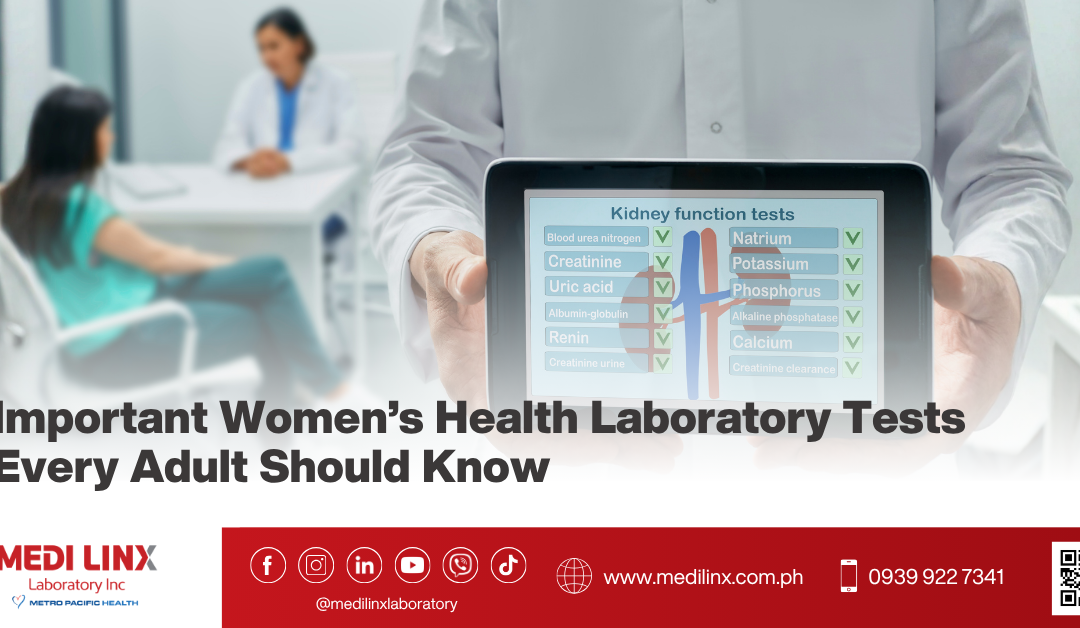
Kidney function tests may involve:
- Creatinine Test: Measures creatinine levels in the blood. This indicates the kidney filtration rate.
- Blood Urea Nitrogen (BUN): The test assesses BUN levels in your blood. It provides additional information about your kidneys’ function.
- Urinalysis: Examines urine for abnormal substances and other findings that may provide information about kidney or urinary tract health.
Thyroid function tests may involve:
- TSH: Thyroid-Stimulating Hormone is responsible for regulating thyroid hormone production. This helps determine whether you may have an overactive or underactive thyroid gland.
- Thyroxine: This is a hormone secreted by the thyroid gland. It will provide useful information about the condition of your thyroid gland.
There is no automatic need for kidney and thyroid tests. Please consult your physician about the tests appropriate for you.
Reproductive and Sexual Health
Your reproductive and sexual health needs also need to be addressed within your healthcare. Sexually transmitted infections may not have any symptoms at all. Tests will help determine whether you have an infection and help you receive proper treatment. We offer several sexually transmitted infection tests as part of our laboratory services.
The tests will include:
- HIV Testing: This is a test for HIV infection. Knowing your HIV status can help you receive appropriate medical care, treatment, and advice when needed.
- Hepatitis B Virus (HBsAg): This test determines whether there is a current hepatitis B infection. It is particularly important during pregnancy since the infection may be passed on to the child.
- Syphilis Test: This test is used to check for syphilis infection.
Cervical Screening
Cervical cancer prevention is an essential component of women’s health care. Persistent infection with high-risk HPV is the leading cause of cervical cancer, and thus it is important to screen appropriately. (WHO)
Tests could be:
- HPV DNA Testing: It detects the presence of high-risk HPV strains. The result helps your doctor determine if further testing is required.
- Pap Smear/Cervical Cytology: It tests for abnormalities in cervical cells. Detecting any abnormalities would help to determine further management.
Breasts and Cancer Screening Options
The other area in preventive health for women is cancer screenings. Cancer screenings should be chosen depending on the type of cancer, your age, family history, and any additional risk factors that you might have.
- CA-125: This is a protein that may be elevated in the blood of women with ovarian cancer. This can be used by a healthcare practitioner as a way of helping in the evaluation of ovarian cancer-related issues and for monitoring the treatment process, but not as a conclusive factor for cancer diagnosis.
- CA 15-3: This is a marker that can be present at elevated amounts in individuals with breast cancer. Doctors tend to use this test more for monitoring the patient or detecting changes in cancer, and not as a diagnostic tool for breast cancer alone.
- CA 19-9: CA 19-9 is a tumor marker that may be elevated in some cancers, mainly cancer of the pancreas and bile ducts. Its level may be monitored in order to follow up on the course of cancer in some cases, although there may be other causes of elevated CA 19-9 levels besides cancer.
- CEA: CEA is a protein that may be elevated in some cancers, mainly colorectal cancer and other cancers. Elevated levels of CEA may be monitored in order to follow up on cancer treatment or possible recurrence of cancer.
- AFP (Alpha-Fetoprotein): is a protein that is present in higher amounts in the developing fetus but present in smaller quantities in the adult. The use of AFP tests can be used to assess various conditions related to the liver as well as some forms of liver cancer in adults.
Make Preventive Screening Convenient
Preventive screening does not have to be complicated. Just a few simple tips will help you get ready for your next test.
Prior to your test:
- Find out why it is done: Understanding the purpose of a test can help you make informed decisions about your healthcare.
- Ask about any preparation: Some tests may require fasting or other specific preparation.
- Disclose your medical background: Tell your healthcare provider about the medications, illnesses, and medical history.
- Keep old test results: Your doctor may compare previous results with current findings to monitor changes over time.
- Ask about the results: The healthcare provider will help you to understand the meaning of the results and whether you need further action.
Always follow the preparation instructions provided by your healthcare provider or laboratory.
FAQs
Which health screens do women need to get?
There is no standard screening program for all women. Depending on your age, medical history, and other factors, your healthcare practitioner may advise you to undergo blood, urine, cervical, breast, or other tests.
When should women begin health screening?
The answer varies depending on which screening you need. Some health screens are age-specific, some are symptom-based, and some are related to your family history or risks.
Do I need health screening if I am feeling good?
Even if you are healthy and fit, some health screenings are highly advisable, as certain diseases do not show any symptoms initially. However, you do not necessarily need all available health screenings.
Make Your Health a Top Priority Today
Health screenings help you understand your health status and identify issues early. While it’s not about undergoing all possible tests, it’s about having the screenings relevant to your age and health history.
Medi Linx Laboratory provides both general and specialized laboratory tests to facilitate various health care needs. Through its send out lab services, it helps its partner hospitals and clinics. The more proactive you are towards your health, the better the decisions you will be able to make.
Contact Medi Linx Laboratory in Quezon City at 0939-9227341 and get a test done now!