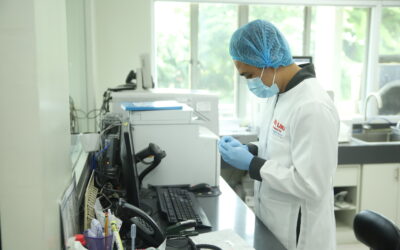
A reliable clinical solutions provider, Medi Linx Laboratory specializes in Laboratory Operations Management, which grants hospitals and clinics direct access...

PHP 5,005.00
The Chlamydia trachomatis / Neisseria gonorrhoeae (CT/NG) PCR Test is a molecular test used to detect two of the most common bacterial causes of sexually transmitted infections (STIs)—Chlamydia trachomatis and Neisseria gonorrhoeae. It’s a highly accurate test that uses Polymerase Chain Reaction (PCR) technology to identify specific genetic material from these bacteria. In short, it allows detection even in very small amounts of samples.
Unlike older culture-based methods, PCR is a lot faster and more sensitive. It has become a reliable diagnostic tool for screening individuals who may have been exposed to these infections. The test can be performed on various samples, like urine, urethral swabs (for men), and cervical swabs (for women). The PCR’s high sensitivity and specificity are paramount for early detection and effective treatment or management of these widespread STIs.
This test is recommended for various individuals, especially those at higher risk for these common sexually transmitted infections (STIs).
Sexually Active Individuals
People with Symptoms
Special Populations
Here’s a straightforward look at how the CT/NG PCR test works:
Is a negative result guaranteed to be 100% accurate?
While the CT/NG PCR test is very reliable, no medical test is 100% accurate. A negative result means no DNA from Chlamydia or Gonorrhea was found in the sample. While a false negative can be rare, it can still happen if the sample was collected too early after exposure or if there was an issue with the sample or testing process.
When should I get tested?
Get tested right away if you have symptoms of a Chlamydia or Gonorrhea infection (such as unusual discharge, burning during urination, or pelvic pain). Also, get tested if you’ve recently had unprotected sex with a new or multiple partners. Regular screening is recommended for sexually active individuals.
Concerned about your sexual health? Get peace of mind with the CT/NG PCR test at Medi Linx Laboratory. We have cutting-edge facilities that provide fast, confidential, and highly accurate testing for Chlamydia and Gonorrhea. Don’t wait up—protect yourself and your partners. Contact us today to schedule your confidential CT/NG PCR test!

A reliable clinical solutions provider, Medi Linx Laboratory specializes in Laboratory Operations Management, which grants hospitals and clinics direct access...

Hospitals and clinics are given access to QUALITY laboratory services that are unavailable to them through our Send-Out Laboratory Service. Clinical Chemistry...

Specimen Transport Support Service is Medi Linx’s pick-up and transport of laboratory specimen where our partners are guaranteed with the highest quality and...
Contact Us!
"*" indicates required fields

At MEDI LINX LABORATORY INC., we are committed to safeguarding the privacy and security of your personal and health-related information. This data privacy statement outlines how we collect, use, disclose, and protect your data to ensure compliance with applicable laws and regulations, including but not limited to Republic Act No. 10173, its Implementing Rules and Regulations, and the issuance/s set forth by the National Privacy Commission (NPC).
Click here to read the Data Privacy Statement in full.