A reliable clinical solutions provider, Medi Linx Laboratory specializes in Hospital Laboratory Management (HLM), which grants hospitals and clinics direct...

PHP 3,200.00
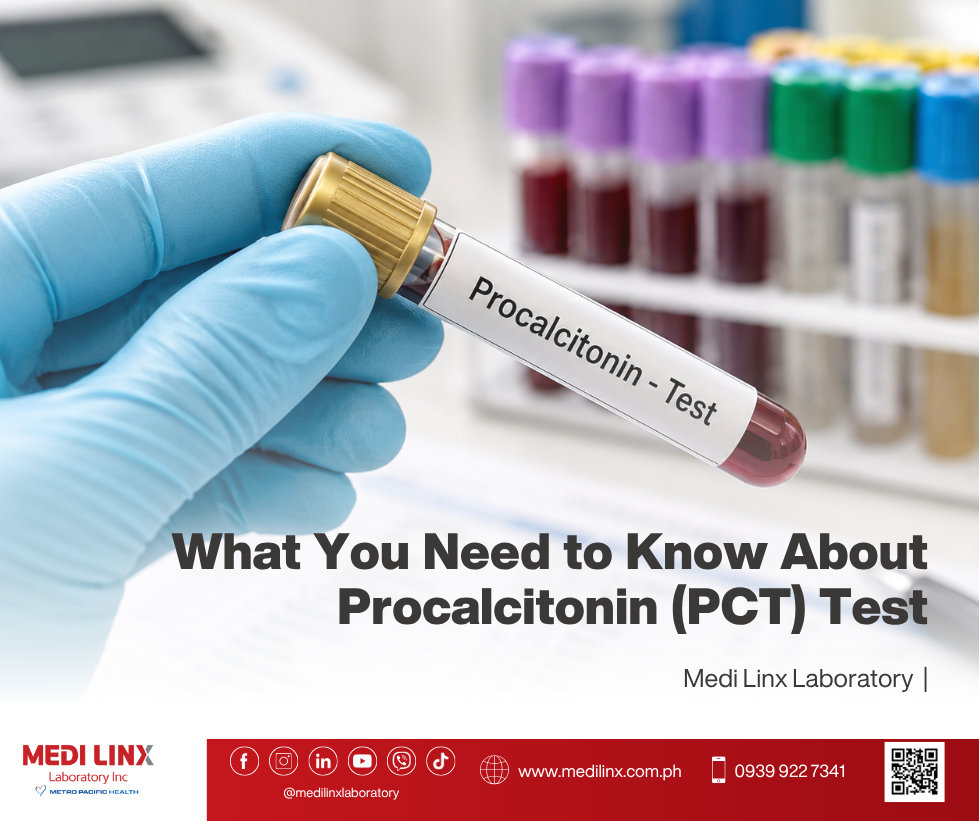
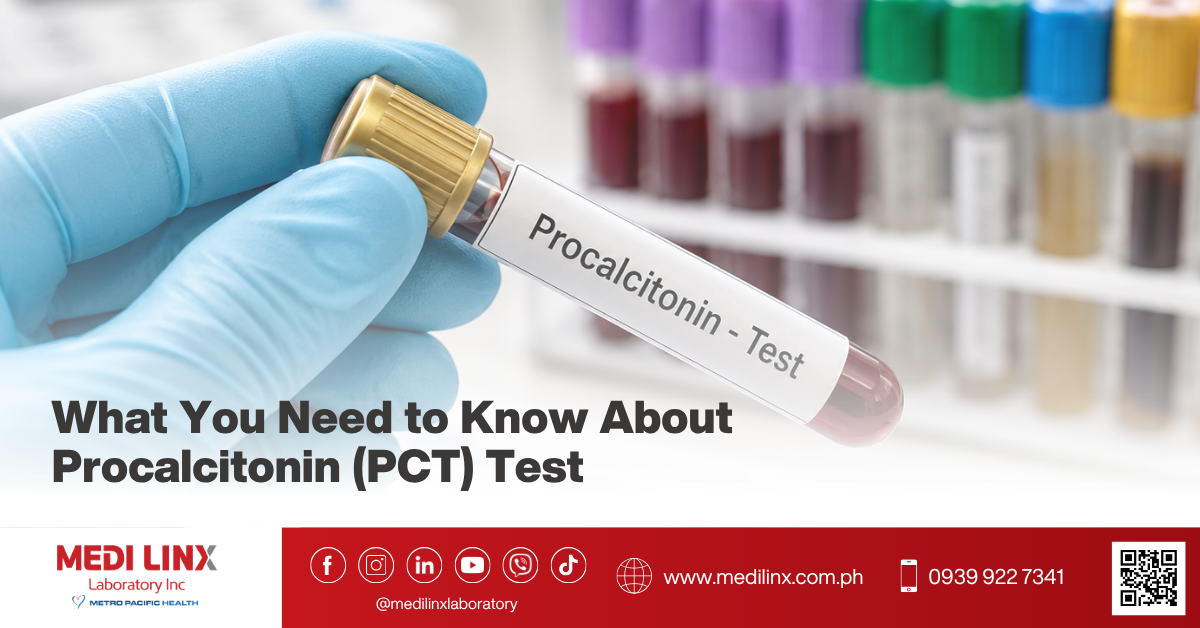
Procalcitonin (PCT) is a biomarker that may increase in response to bacterial infections.
Measuring PCT levels in the blood can help healthcare providers evaluate whether a
bacterial infection may be present, assess the severity of infection, and support timely treatment decisions. PCT testing is also valuable in promoting responsible antibiotic use by helping identify patients who may or may not benefit from antibiotic therapy.
The Procalcitonin (PCT) test provides important information that complements clinical assessment and other laboratory findings. It may help healthcare providers:
A Procalcitonin (PCT) test may be beneficial for individuals who:
Elevated PCT levels may indicate the presence of a bacterial infection. In general, higher PCT concentrations are associated with a greater likelihood of significant bacterial infection and may correlate with increased disease severity.
However, PCT results should always be interpreted alongside a patient’s medical history, physical examination, symptoms, and other laboratory findings. Elevated levels can occasionally occur in certain non-infectious conditions, such as major trauma, major surgery, severe burns, prolonged shock, and some rare tumors.
Procalcitonin is primarily used as a marker of bacterial infection and is not intended to
diagnose specific viral infections. Low PCT levels may suggest that a bacterial infection is less likely, which can help healthcare providers consider whether antibiotics are necessary.
Because many respiratory infections are caused by viruses, low PCT levels may support the possibility of a non-bacterial cause when interpreted together with clinical findings and other diagnostic tests.
Turnaround times may vary depending on the urgency of the request and laboratory workflow.
For urgent clinical situations, healthcare providers may request STAT processing to support timely patient management.
Accurate and timely diagnosis of infections is essential for improving patient outcomes and supporting effective clinical decision-making. The Procalcitonin (PCT) test is a valuable diagnostic tool for identifying bacterial infections, assessing disease severity, and guiding appropriate treatment.
If you are a healthcare provider, hospital, clinic, diagnostic laboratory, or corporate health partner looking for reliable laboratory testing services, contact Medi Linx today to learn more about our comprehensive send-out laboratory solutions and specialized diagnostic testing services.

A reliable clinical solutions provider, Medi Linx Laboratory specializes in Hospital Laboratory Management (HLM), which grants hospitals and clinics direct...

Hospitals and clinics are given access to QUALITY laboratory services that are unavailable to them through our Send-Out Laboratory Service. Clinical Chemistry...

Specimen Transport Support Service is Medi Linx’s pick-up and transport of laboratory specimen where our partners are guaranteed with the highest quality and...
Contact Us!
"*" indicates required fields

At MEDI LINX LABORATORY INC., we are committed to safeguarding the privacy and security of your personal and health-related information. This data privacy statement outlines how we collect, use, disclose, and protect your data to ensure compliance with applicable laws and regulations, including but not limited to Republic Act No. 10173, its Implementing Rules and Regulations, and the issuance/s set forth by the National Privacy Commission (NPC).
Click here to read the Data Privacy Statement in full.