A reliable clinical solutions provider, Medi Linx Laboratory specializes in Hospital Laboratory Management (HLM), which grants hospitals and clinics direct...
PHP 200.00
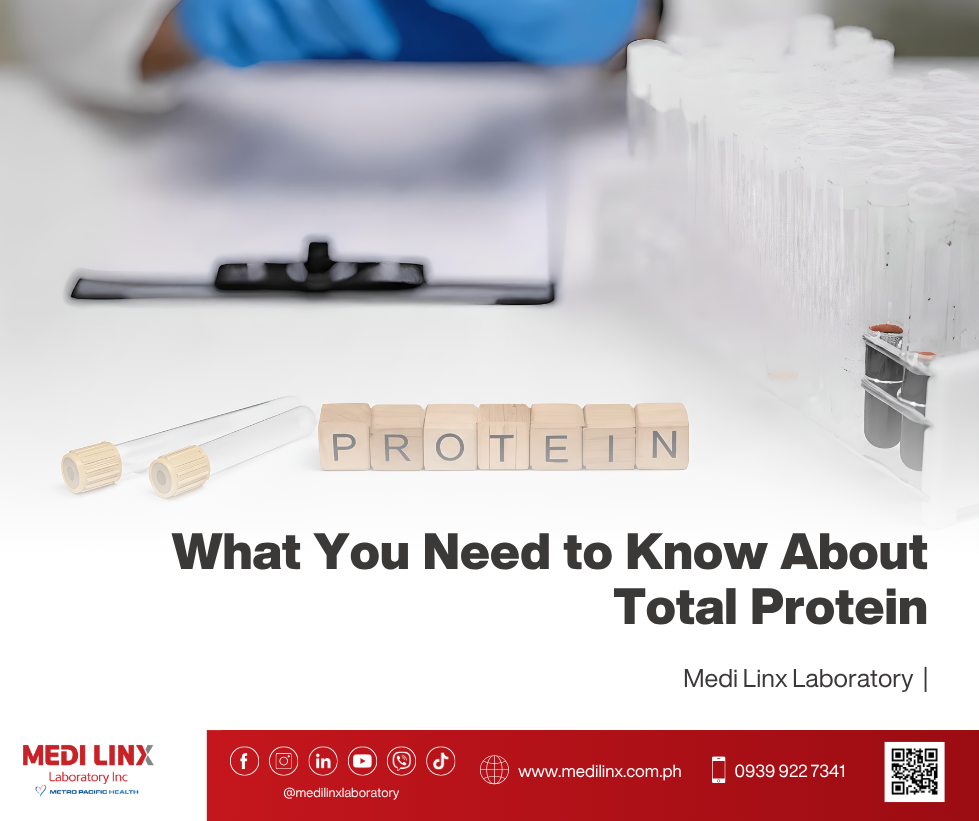
One of the essential nutrients required for optimal body function is protein. It supports tissue growth and repair, helps maintain a healthy immune system, transports nutrients, and regulates fluid balance throughout the body. Without enough protein, many important processes in the body will not work effectively.
Total protein refers to the combined level of proteins in the blood, primarily albumin and globulin. These two work together to ensure good health.
In this article, we’ll discuss why total protein is important, its role in key physiological processes, and who may benefit from understanding its significance.
The importance of proteins in building muscles is well known. However, protein is essential for nearly every cell in the body and supports a wide range of biological functions.
Total protein is involved in:
When protein levels become too high or too low, essential bodily functions may be affected.
Total protein consists primarily of two major proteins, each performing distinct functions in the body.
Albumin is the most common protein found in the blood. Albumin helps transport hormones, vitamins, minerals, and other important substances throughout the body. Furthermore, albumin helps maintain fluid balance.
Globulins are a group of proteins that support immune function and help protect the body against infections. Certain globulins also play a role in blood clotting and the transport of nutrients and other substances.
Proteins are essential for everyone, but certain people should be concerned about the total amount of protein in their bodies.
Protein is vital during childhood and adolescence because it supports growth, development, and overall health. It also plays a key role in muscle development and bone health.
Active individuals and athletes have higher protein requirements than inactive people. Protein supports muscle growth, repair, and recovery after physical activity.
As people age, maintaining muscle mass becomes increasingly important. Adequate protein intake can help support strength, mobility, and independence.
Recovery from illness or surgery often requires additional nutrients to support tissue repair and healing. Protein plays a crucial role in the body’s healing process.
Individuals with restricted diets, poor appetite, digestive disorders, or conditions that impair nutrient absorption may be at greater risk of inadequate protein intake.
Protein requirements vary based on age, activity level, health status, and individual nutritional needs. In certain circumstances, a deficiency in protein intake may contribute to conditions such as fatigue, muscle weakness, poor recovery, and difficulty retaining muscle mass. While these symptoms can have various causes, inadequate protein intake may be a contributing factor.
Why does the body need protein?
Protein helps build and repair tissues, supports immune function, contributes to hormone and enzyme production, and assists in transporting nutrients throughout the body.
Can diet affect total protein levels?
Yes. Inadequate dietary protein intake may contribute to low protein levels, while a balanced diet helps meet the body’s protein requirements.
Can I get enough protein from plant-based foods?
Yes. Many plant-based foods are excellent sources of protein, including beans, lentils, tofu, tempeh, nuts, seeds, and whole grains.
Total protein testing plays an important role in assessing a patient’s overall health and nutritional status. Reliable laboratory testing helps healthcare providers identify potential health concerns and make informed clinical decisions.
With Medi Linx, you get professional send out laboratory services that provide accurate and dependable results with fast turnaround times. Contact us today to learn how our laboratory services can support your diagnostic needs.
Contact Medi Linx Laboratory in Quezon City at 0939-9227341 to schedule a total protein test or learn more about our laboratory services.

A reliable clinical solutions provider, Medi Linx Laboratory specializes in Hospital Laboratory Management (HLM), which grants hospitals and clinics direct...
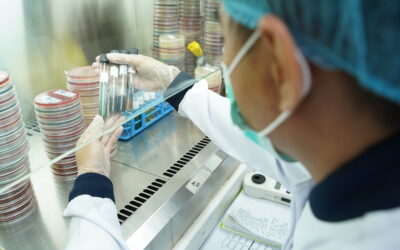
Hospitals and clinics are given access to QUALITY laboratory services that are unavailable to them through our Send-Out Laboratory Service. Clinical Chemistry...

Specimen Transport Support Service is Medi Linx’s pick-up and transport of laboratory specimen where our partners are guaranteed with the highest quality and...
Contact Us!
"*" indicates required fields

At MEDI LINX LABORATORY INC., we are committed to safeguarding the privacy and security of your personal and health-related information. This data privacy statement outlines how we collect, use, disclose, and protect your data to ensure compliance with applicable laws and regulations, including but not limited to Republic Act No. 10173, its Implementing Rules and Regulations, and the issuance/s set forth by the National Privacy Commission (NPC).
Click here to read the Data Privacy Statement in full.