
Early detection is like a flashlight that shows you how you function internally. In reality, your immune system is an incredibly hardworking and essential part of your health. Every day, it protects you from pathogens that can cause sickness. That said, many diseases develop without causing symptoms.
During Laboratory Professionals Week (Lab Week), we honor these remarkable laboratory experts who are responsible for making sure that every result you get is accurate and dependable. Their dedication, skills, and work are indispensable in helping physicians make grounded decisions that safeguard your health.
Key Laboratory Tests You Should Never Ignore for Year-Round Health
Routine lab tests provide important information about how the body is doing and are typically fairly simple and straightforward.
Complete Blood Count (CBC)
A CBC helps to look at your red blood cells, white blood cells, and platelets to determine if you have infections, anemia, or any problems with your immune system early on.
Monitor Your Blood Sugar and Metabolism
Checking your blood sugar levels can help determine if you are at risk for diabetes or metabolic disorders before symptoms occur.
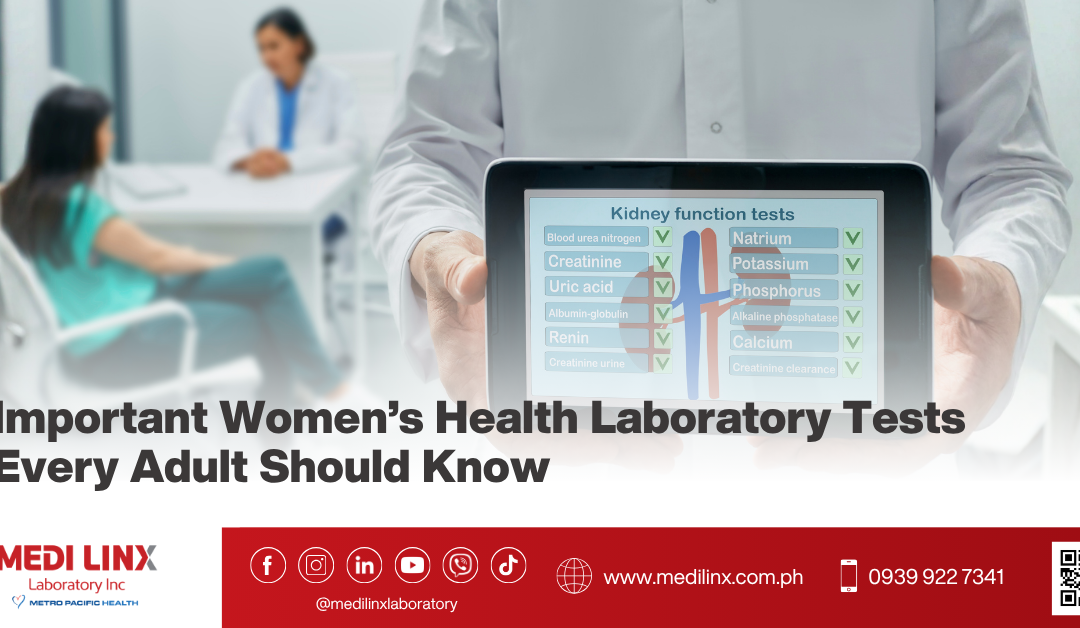
Testing Kidney and Liver Function
Kidney and liver tests are used to measure how effectively the body is removing waste from the body and keeping its systems in balance.
Steps in Visiting a Laboratory for a Test
The process of going through a laboratory test may cause anxiety, but this can be relieved by understanding the steps of the process above.
- Before: Preparing for the test may include restrictions on food, drink, or medications in order for the blood samples obtained from your body to obtain accurate results.
- During: Each laboratory test is conducted with either a sample of your blood, urine, or stool, as determined by your doctor’s orders.
- After: Your doctor will discuss your laboratory test results and provide a recommendation as to the next course of action based upon your results.
FAQs about Early Detection
Why is it important to be able to detect disease at an early stage?
If you detect the disease at an early stage, this allows for earlier treatment, better prognosis, prevention of progression, reduced transmission and for more treatment options.
What types of tests are routinely performed?
Routine testing consists of a number of different tests: complete blood count (CBC), blood glucose, kidney function, urinalysis, and a variety of other tests, based on an individual’s health status.
Is it necessary to have annual health screenings?
Yes. The purpose of an annual health screening is to monitor your current health status and detect hidden health issues before they become symptomatic.
Invest In Your Health By Choosing A Reliable Laboratory Service
Your health is one of your most important assets; identifying disease early is essential to maintaining your overall health and well-being. Routine laboratory tests provide an opportunity for you to make informed decisions regarding your health, as well as to take proactive measures to improve your future health.
If you want a laboratory which provides reliable, accurate, and timely diagnostic testing, choose Medi Linx, a send out lab that is dedicated to offer high-quality diagnostic services.